
Go International
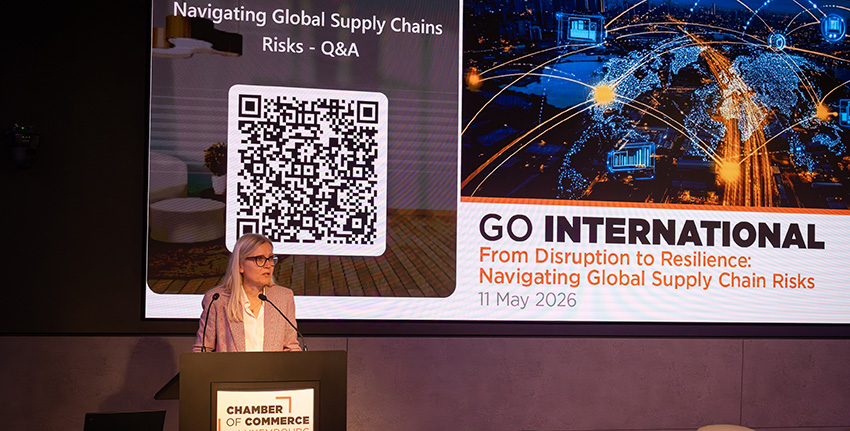
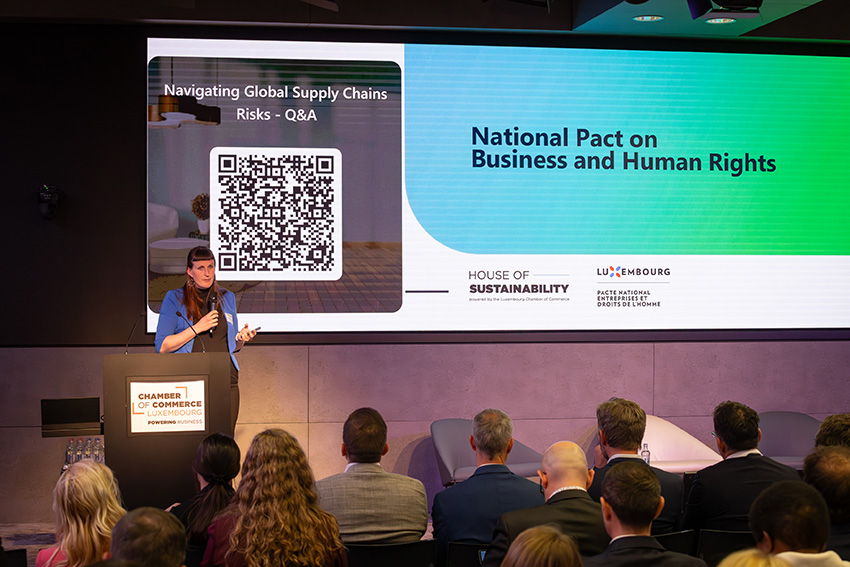
On 11 May 2026, the International Affairs and the House of Sustainability of the Chamber of Commerce organised the conference “From Disruption to Resilience: Navigating Global Supply Chain Risks”. In a context of growing global uncertainty, the event aimed to provide practical and expert insights as well as share best practices for building more resilient international supply chains.
Cindy Tereba, CTO & Director International Affairs of the Chamber of Commerce, opened the event by highlighting the increasing volatility affecting international supply chains, where disruptions have become a recurring challenge for companies. She stressed the importance of anticipating supply chain-related risks early and putting in place robust governance frameworks to ensure business continuity and maintain long-term competitiveness.
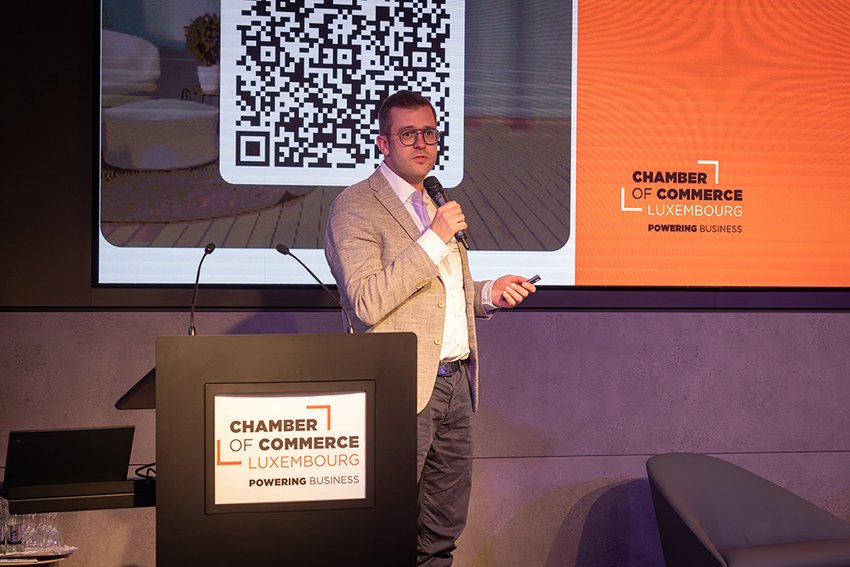
The keynote speech, delivered by Ceratizit, a pioneer in hard material solutions for machining and wear protection, addressed the evolving supply chain risk landscape, focusing on the strategic importance of securing access to raw materials in today’s complex geopolitical environment, coupled with the need for companies to embed human rights and environmental due diligence across their value chains.
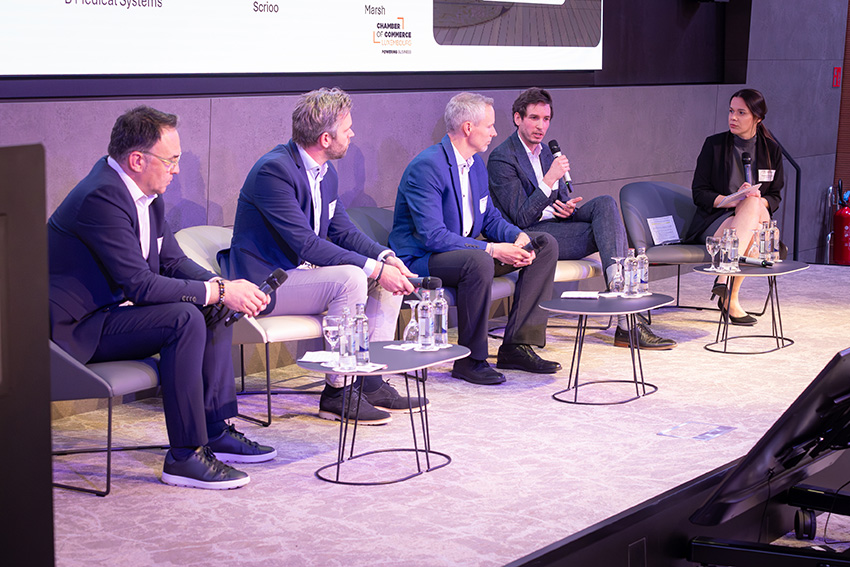
A panel discussion brought together representatives from the Cluster for Logistics, BeLux Marsh, B Medical Systems and Scrioo for a practical exchange on how companies can design and protect international supply chains. It focused on how risks can be identified and prioritised. Panelists also explored the strategic choices shaping resilient supply chains, and the trade-offs between cost efficiency and sustainability. Particular attention was given to integrating risk management at the early design stage of supply chains.
The conference also highlighted several initiatives and support mechanisms available to Luxembourg companies expanding internationally:
Business and Human Rights Pact: helping companies strengthen responsible business practices and integrate human rights due diligence across operations and value chains
GO International Gateway: providing a wide range of services to support companies in their international development, from collective activities to more tailored assistance
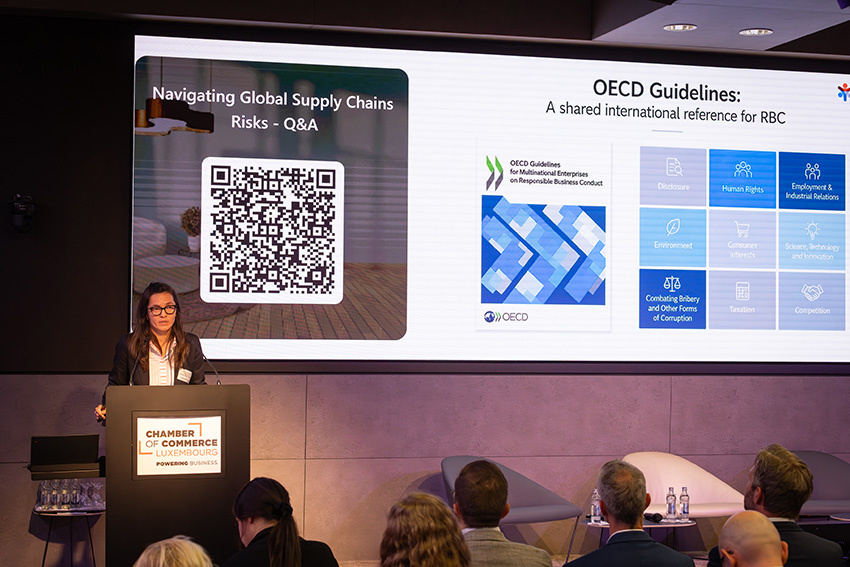
OECD National Contact Point for Responsible Business Conduct of Luxembourg (LuxNCP): promoting the OECD Guidelines for Multinational Enterprises and addressing issues related to their implementation
Participants were invited to continue conversations at the information stands held after the panel discussion.
Overall, the conference provided a platform for dialogue between companies, experts and institutions on the need to strengthen resilience. It illustrated the importance of combining risk awareness, structured models and available support mechanisms to help companies navigate international challenges more effectively.