


Go International
On 28 October 2026, the International Affairs of the Chamber of Commerce, in partnership with the House of Entrepreneurship, brought together customs experts, trade professionals and businesses for the conference “Smart borders, secure trade: The future of EU customs” dedicated to the reform of the Union Customs Code.
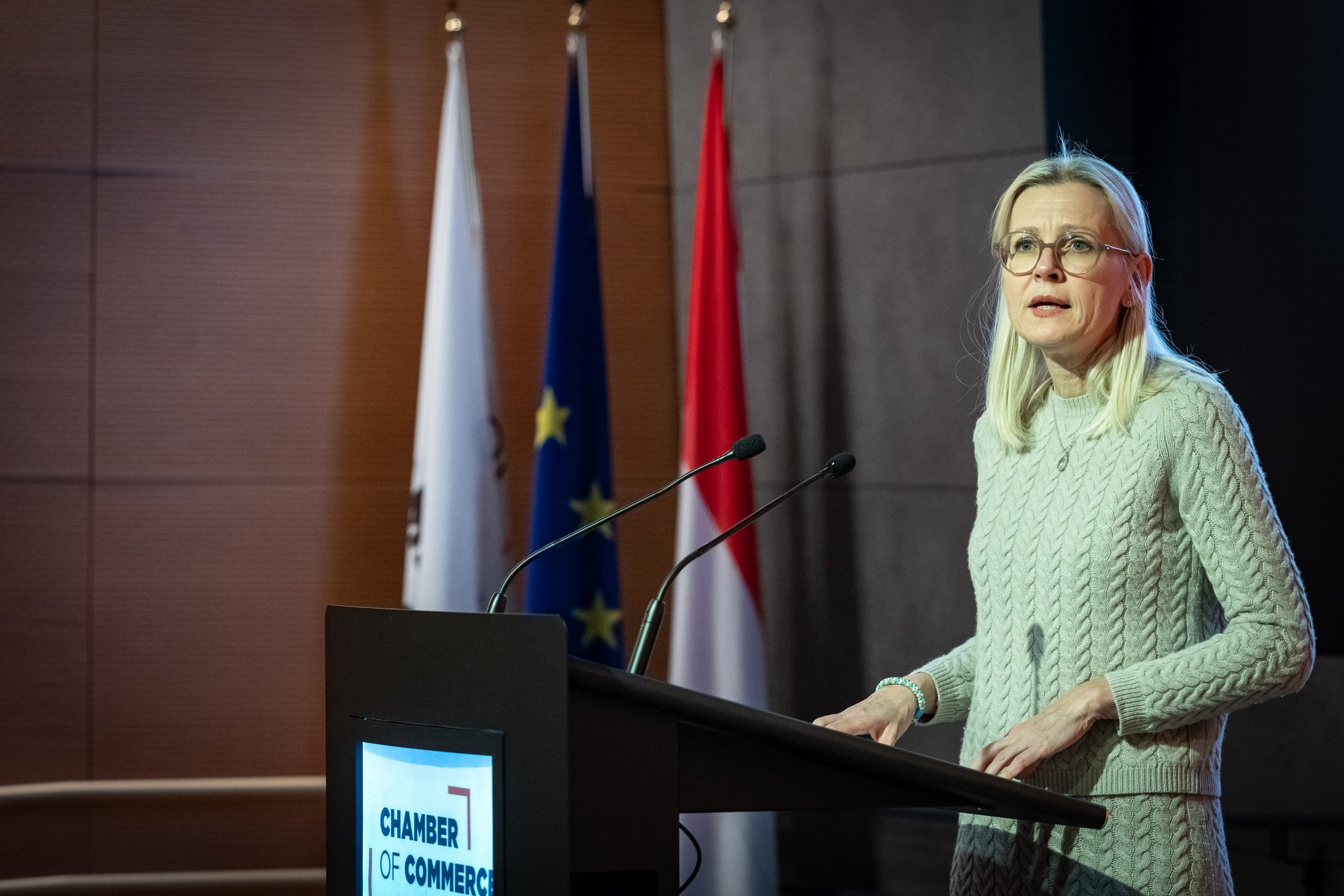
International trade is undergoing a major shift, driven by geopolitical developments, new regulatory requirements, digitalisation and growing security concerns. Opening the conference, Cindy Tereba, CTO & Director of International Affairs at the Chamber of Commerce, highlighted that customs is no longer solely about moving goods across borders, but about managing reliable data, ensuring security and facilitating legitimate trade.
The EU Customs Reform aims at making trade both smarter and safer by modernising customs procedures and support the transition towards a more digital, efficient and secure European customs system. The Luxembourg Customs and Excise Administration outlined the key elements of the reform, which will be progressively implemented between 2026 and 2034:
The introduction of a new EU Customs Authority, which will manage a single digital interface for all customs operations, the EU Customs Data Hub
Reliable and trusted traders will benefit from facilitations and simplifications in their customs operations thanks to the new Trust & Check facilitation
The impact on the e-commerce sector with the new obligations and responsibilities.
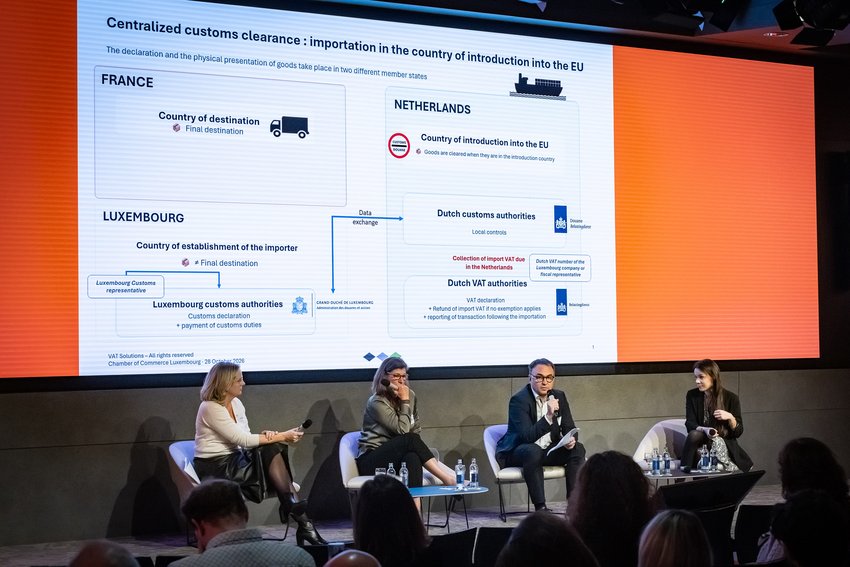
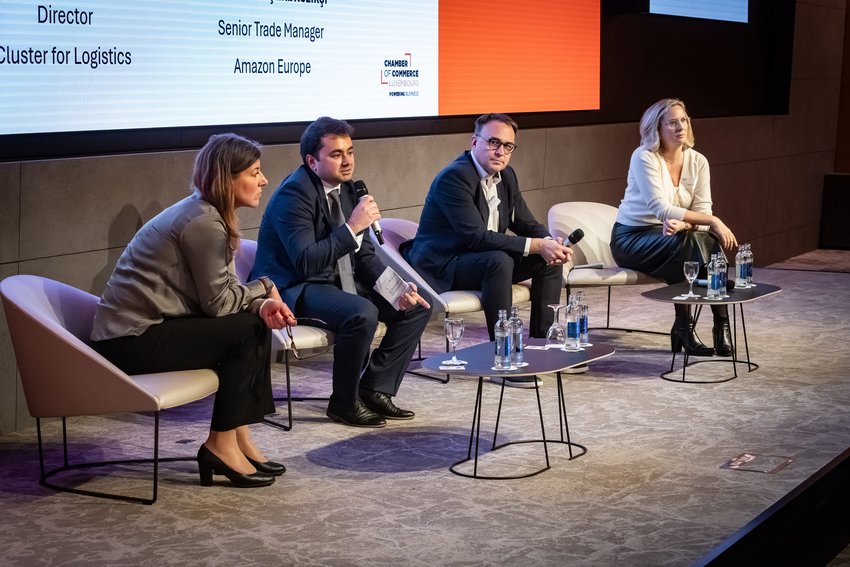
A panel discussion with experts in the domains of logistics and customs formalities explored the implication of the reform on global supply chains management. As logistics become increasingly data-driven, the availability and quality of information is becoming critical for efficient customs operations. The panel underlined that the reform will not only affect customs departments but also influence how companies organise supply chains, manage information and collaborate with international partners. The data is already available. The next frontier for international trade lies in on how effectively companies use data, not simply to meet requirements, but to make more informed decisions to strengthen their competitiveness.
Special attention was paid to e-commerce, one of the sectors most affected by the evolving customs framework. Representatives from the sector discussed the new obligations introduced by the reform, including measures targeting low-value consignments. For e-commerce companies, understanding the new requirements and securing access to reliable customs data will be key to maintaining compliance and competitiveness.
The conference also highlighted several initiatives and support mechanisms available to Luxembourg companies expanding internationally:
Through its different entities, notably the International Affairs and House of Entrepreneurship, the Chamber of Commerce provides information, guidance and practical assistance covering customs, export documentation, VAT, market entry requirements, or digitalisation.
The Export Team of the House of Entrepreneurship provides the documents companies need to secure their export operations, including ATA carnets and certificates of origin.
Conferences and workshops are regularly organised to raise awareness of different subjects impacting businesses, including regulatory developments.
Companies seeking to improve their digital capabilities, cybersecurity or use of artificial intelligence can also benefit from the SME Packages.
Finally, the House of Training offers trainings in customs, logistics, e-commerce and related areas.
The active participation during the Q&A session confirmed the event’s relevance for businesses. Participants were able to continue the discussions with experts at the information stands during the networking reception that followed the conference.
Overall, the key takeaway from the conference was that the EU Customs Reform should not be seen as an isolated regulatory development, but rather part of a broader transformation of international trade. By anticipating the changes, adapting systems and processes, businesses will be better equipped to benefit from a customs environment that is more digital, secure and efficient.
Given the strong interest shown by the participants, a second edition is expected to be organised next year to take a closer look at the reform’s practical impact.